
Do I Need a Level 3 Survey for an Older Property?
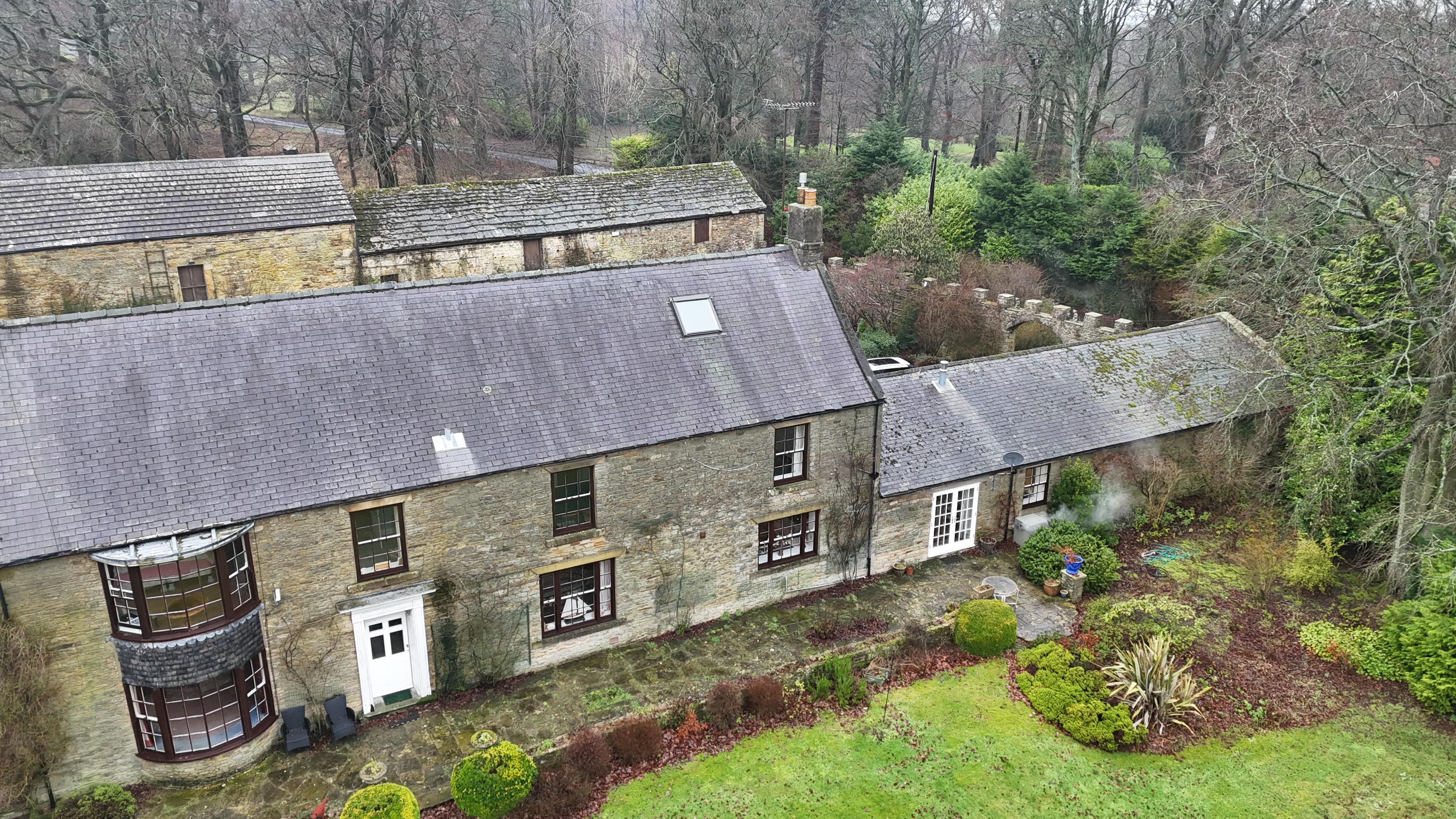
If you are buying a Victorian terrace in Sunderland, a 1920s semi in Durham or any home that has stood for the best part of a century, you may be asking yourself one question. Do I need a Level 3 survey for an older property, or will a Level 2 do the job?
It is a sensible thing to ask. Older homes have huge amounts of character, but they can also hide issues that a viewing on a sunny afternoon will not reveal.
Before going into the detail, here is the short answer.
- Older properties often justify a Level 3 Building Survey
- A Level 2 survey may be enough in some cases, but not always
- The decision should be driven by age, construction and alterations
- Period homes in the Northeast frequently hide defects worth understanding before exchange
- The right survey gives you clarity before you commit legally
At Survey North, we take a practical view. The aim is never to oversell a service. It is to match the inspection to the building and the level of risk in front of you.
What Counts as an Older Property?
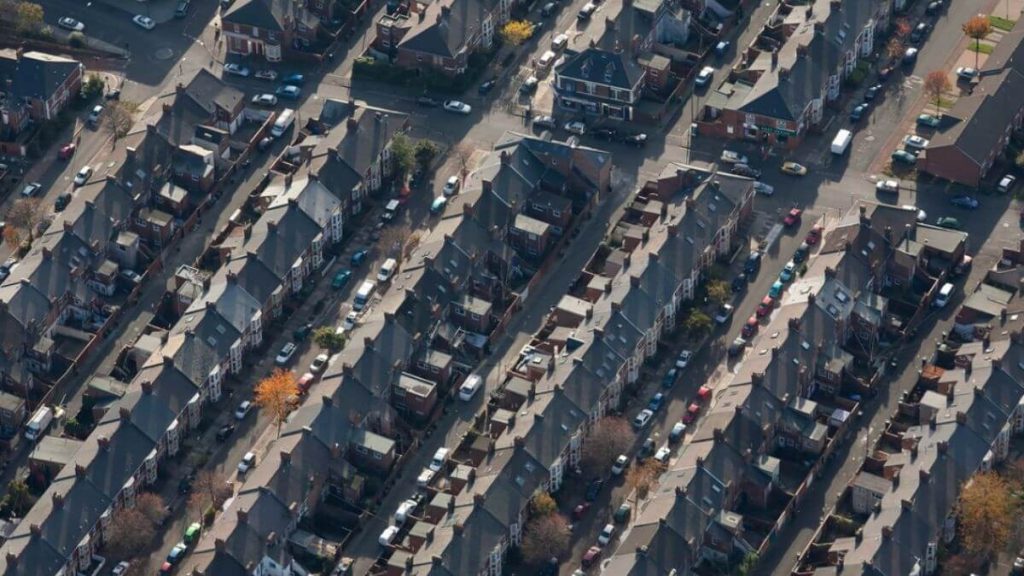
There is no strict legal definition of an older property, but in surveying terms it usually refers to homes built before 1930. That covers Victorian, Edwardian and early twentieth century housing stock.
The Northeast has plenty of it. Sunderland, Durham, Newcastle and the surrounding NE, SR and DH postcodes are full of period terraces, semis and detached homes that have served families for generations.
These buildings were put up using methods that pre date modern building regulations. Solid brick walls, lime mortar, timber floors and slate roofs were the norm. They behave very differently to a 1990s cavity wall semi, and they need a surveyor who understands how traditional construction is supposed to look and feel.
Historic England sets out useful guidance for buyers considering older or historic properties, and the underlying point is the same. Older homes carry their own quirks, and they deserve an inspection that reflects that.
Why Older Homes Often Need a Closer Look
Many period properties have stood in good order for over a hundred years. That on its own tells you something. They were built to last.
However, time, weather and well meaning modern alterations can introduce real risk. A good Level 3 survey is designed to spot the difference between charm and a problem.
Damp and Moisture
Solid wall construction is more prone to moisture movement than modern cavity wall construction. When older homes have been treated with modern materials, such as cement based pointing, gypsum plaster on solid walls or chemical damp proof courses, the building sometimes does not breathe the way it was designed to.
The result can be damp patches, peeling paint, salts on walls and decay in timber floors and joinery. A Level 3 survey looks at the bigger picture, not just the symptoms.
Structural Movement
Older buildings often show signs of historic movement. Hairline cracks above doors, slight dips in floors and bowing in walls are common.
The key question is whether that movement is historic and stable, or whether something is still going on. A Level 3 inspection assesses the pattern, the likely cause and the significance of any movement, rather than simply noting that a crack exists.
Roof, Chimneys and Lead Work
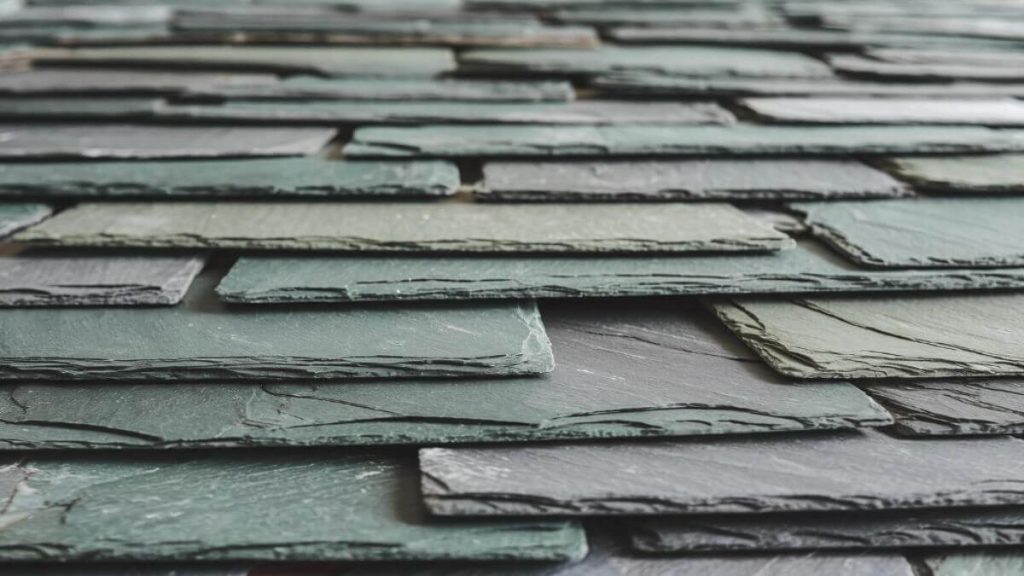
Slate roofs, original chimney stacks and ageing lead flashings often need a close look. Replacement work can run into thousands of pounds, so understanding the condition before exchange of contracts is important.
This is the kind of detail a basic inspection can easily miss. A Level 3 survey is designed to take it seriously.
Past Alterations
Many older homes have been extended, opened up or converted at some point. Loft conversions, removed internal walls and rear extensions can all affect how the building stands up.
Where work has been done well, it adds value. Where it has been done badly or without the right consents, it can be a meaningful problem. A Level 3 survey gives you a clearer view of what has been done and how.
Is a Level 2 Survey Ever Enough for an Older Property?
This is one of the most common questions we get.
A Level 2 survey is suitable for many homes that are in reasonable condition and built using common materials. We have explained the differences in more detail in our guide on Level 2 vs Level 3: What's the Right Survey for You?
For older properties, though, a Level 2 report may not always give you the depth you need. It focuses on identifying significant defects and providing condition ratings. It does not go as far in explaining construction methods, the underlying cause of issues or detailed repair options.
If the property is Victorian or Edwardian, has visible damp or cracking, has been significantly altered or appears poorly maintained, a Level 3 survey is usually the more sensible choice. The decision is about risk, not about the smallest possible fee.
When a Level 3 Survey Is Usually the Right Call
A Level 3 Building Survey is the most detailed residential survey available under the RICS Home Survey Standard. According to the Royal Institution of Chartered Surveyors, it is intended for older, larger or altered buildings, and for homes built using non standard construction.
In practical terms, that usually means:
- Properties built before 1930
- Listed buildings or homes in conservation areas
- Homes that have been significantly extended or altered
- Buildings with visible signs of damp, movement or cracking
- Non standard construction such as steel framed or system built homes
- Larger or higher value properties where the stakes are greater
If the property you are looking at ticks more than one of those boxes, a Level 3 survey is almost always the right call.
What a Level 3 Survey Will Reveal in an Older Home
A Level 3 survey is a thorough visual inspection of the property and its key components. It is not invasive, so the surveyor does not open up walls or lift fitted floors, but it goes well beyond a basic overview.
For a period home, that typically includes:
- Roof coverings, structure, chimneys and visible lead work
- External walls, pointing, render and any signs of movement
- Damp readings, ventilation and visible timber condition
- Floors, joists, ceilings and internal walls
- Original features such as sash windows, fireplaces and cornicing
- Visible parts of services including heating, electrics and plumbing
- Outbuildings, boundaries and immediate grounds
You then receive a detailed written report that sets out the condition of each element, the significance of any issues and the work that may be required.
At Survey North, our team is led by a director with more than fifty years of surveying experience. We are regulated by RICS, approved by CABE and approved by the Residential Property Surveyors Association (RPSA), so the reports we deliver follow recognised professional standards.
How to Decide Between a Level 2 and Level 3 Survey
If you are still asking whether you need a Level 3 survey for an older property, run through these questions.
- How old is the building, and how was it originally constructed?
- Has it been extended, opened up or converted at any stage?
- Are there visible signs of cracking, damp or movement?
- Is the property listed or in a conservation area?
- Are you comfortable proceeding without detailed structural commentary?
If the property is modern, well maintained and built using conventional materials, a Level 2 survey is often appropriate. If the property is older, larger or has been altered, a Level 3 Building Survey will usually give you greater clarity and a stronger basis for negotiation.
You can also read our guide on how much a Level 3 Building Survey costs in 2026 if you would like a better sense of typical UK fees before you make the call.
At Survey North, we discuss each instruction individually before we recommend a service. If you would like to talk through your property, you can speak to us directly through our contact page or request a quote.
The right survey should give you confidence in your decision. That is what we aim to deliver every time.
Frequently Asked Questions
Do I need a Level 3 survey for an older house?
In most cases, yes. Older houses often contain hidden issues related to traditional construction, ageing materials and past alterations. A Level 3 survey is designed to provide the depth of inspection these properties typically require.
Is a Level 2 survey enough for an older property?
Sometimes, but not always. For a straightforward older home in good condition it may be sufficient. Where there are visible defects, significant alterations or signs of movement, a Level 3 survey is usually more appropriate.
What survey should I get for a Victorian or Edwardian house?
A Victorian or Edwardian house will often justify a Level 3 survey. The age, traditional construction and likelihood of past alterations all increase the chance of issues that benefit from a more detailed inspection.
What types of properties usually require a Level 3 survey?
Properties built before 1930, listed buildings, homes that have been significantly extended or altered, and buildings of non standard construction typically require a Level 3 survey for a more detailed structural assessment.