
How to Prepare Your House for a Level 3 Survey
If you have agreed to a buyer carrying out a Level 3 survey on your home, or you are commissioning one yourself before selling, you may be wondering what you actually need to do beforehand.
The short answer is that a bit of straightforward preparation goes a long way. A clearer view of the property gives the surveyor more to work with and gives the buyer more confidence in the final report.
Before going into the detail, here is the short version.
- Good access and visibility are essential for a thorough Level 3 survey
- Clearing clutter, unlocking key areas and providing safe loft access all help
- The house does not need to be spotless, just tidy enough for a careful inspection
- Older or altered homes benefit the most from a Level 3 inspection
- Simple preparation usually leads to a clearer report and fewer unanswered questions
At Survey North, we are happy to talk you through what to expect on the day before the appointment, especially if it is your first time having a survey done. It is a straightforward process, and the more you know in advance, the smoother it tends to be.

What Happens During a Level 3 Survey
A Level 3 Building Survey is the most detailed residential survey available under the RICS Home Survey Standard. It is designed for properties where there is a higher risk of hidden problems, such as older homes, extended buildings or houses constructed using traditional or unusual methods.
On the day, the surveyor will spend longer at the property than they would for a Level 2 inspection. They will work systematically around the outside and inside of the home, looking at the structure, finishes and services wherever it is safe and reasonable to do so.
The aim is a balanced, detailed report that explains the condition of the property, highlights any defects and sets out clear recommendations for repair and maintenance.
You can read more about what is included in our guide on how much a Level 3 Building Survey costs in 2026, and what affects the time required on site.
Why Preparing Properly Makes a Real Difference
Surveyors work to professional standards set by the Royal Institution of Chartered Surveyors. They are required to record where access is limited and where elements of the property could not be inspected.
If key areas are blocked by stored items, locked doors or safety risks, the final report will often include more caveats and fewer firm conclusions. That is not a fault of the surveyor. It is a reflection of what could and could not be seen on the day.
Good preparation can:
- Reduce the time needed on site
- Give the surveyor a clearer view of walls, floors, ceilings and services
- Limit the number of "not inspected" notes in the report
- Help the surveyor identify potential defects earlier
- Give the buyer greater confidence in the findings
If you would like to understand the overall buying process alongside your survey, the Government's guide to buying or selling a home is a useful companion document.
Six Things to Do Before the Surveyor Arrives
None of this is dramatic. It is mostly common sense, but going through it ahead of time makes a real difference on the day.
1. Make Sure Key Areas Are Accessible
One of the most helpful things you can do is provide clear, safe access to the main areas the surveyor needs to inspect. Before the appointment, check that the following are easy to reach.
- The loft hatch and the floor area below it
- Under stair cupboards and meter cupboards
- The boiler and hot water cylinder cupboards
- The electrical consumer unit, sometimes called the fuse box
- Any cellars, basements or subfloor access panels
- Permanent outbuildings such as garages, workshops and garden rooms
Surveyors will not usually move heavy furniture or force entry into locked rooms. If important areas are blocked, the level of comment in the report will be limited.
2. Move Clutter Away from Walls and Skirting Boards
A Level 3 survey looks carefully for signs of damp, movement and other defects. These are often first visible around skirting boards, corners and the junctions between floors and walls.
Try to move freestanding items, such as stacked boxes, laundry baskets and smaller pieces of furniture, so that at least some sections of every wall can be seen clearly.
You do not need to clear entire rooms. Just enough that the surveyor can see what they need to see.
3. Provide Safe Loft Access
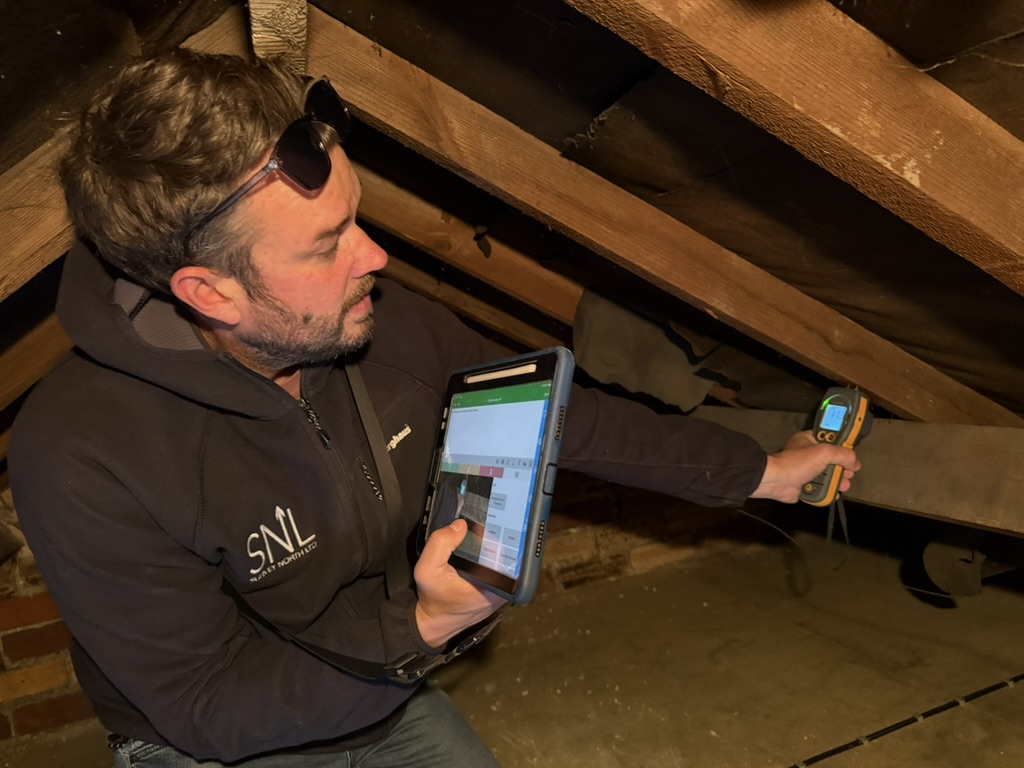
The loft is one of the most important areas in a structural inspection, particularly in older properties across Sunderland, Durham, Newcastle and the wider Northeast where slate roofs and traditional timber construction are common.
Access to the loft allows the surveyor to look at roof timbers, insulation and ventilation. To make this easier:
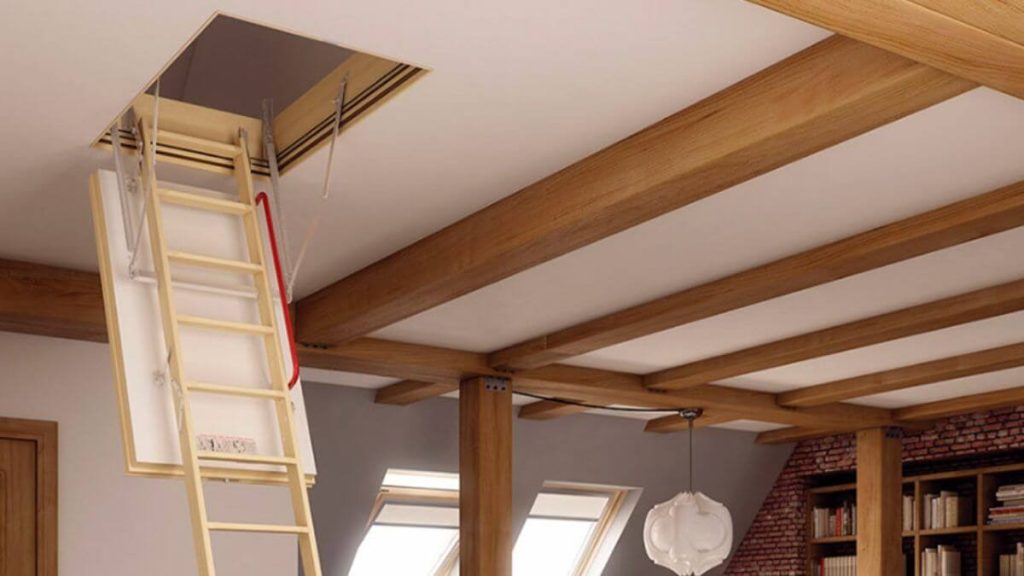
- Clear the space directly under the loft hatch so there is room for a ladder
- Check the hatch can be opened fully without snagging on doors or light fittings
- Make sure the loft is not overfilled to the point where it is unsafe to enter
- If there is no fixed loft ladder, confirm there is a safe place to position a portable one
If the loft cannot be entered safely, the surveyor will usually only be able to comment on the roof from the outside, which reduces the level of detail in the report.
4. Unlock Outbuildings and Clear External Paths
A Level 3 survey includes permanent outbuildings and attached structures where they form part of the overall property. Before the survey, unlock garages, workshops and garden rooms, and check that pathways around the house are reasonably clear.
This helps the surveyor look properly at foundations, external walls and drainage features. For properties with larger gardens, it is also worth flagging any historic retaining walls, wells or other features that may not be obvious from a quick walk around.
5. Make Sure Doors and Windows Open Properly
Surveyors will usually test a sample of windows and doors as part of the inspection. If some have been painted shut, are swollen or are difficult to open, try to ease them in advance or leave a short note explaining the issue.
That way, anything noted in the report as a limitation will be fair and accurate, rather than down to something that could have been easily sorted before the visit.
6. Plan for Pets and Who Will Be Home
Pets can find a stranger moving from room to room, opening cupboards and climbing into the loft unsettling. For everyone's safety, it is best to keep animals in a contained area or away from the property during the inspection.
It also helps if either you or the selling agent is available at the start of the appointment, in case the surveyor has any quick questions about the property.
A Note on Cosmetic Repairs Before the Survey
If you are selling, it can be tempting to carry out quick cosmetic repairs in the days before the survey. In most cases, it is better to focus on safety and access rather than last minute touch ups.
Freshly painted patches or new filler can sometimes make it harder for the surveyor to understand the history of a defect. If you have carried out genuine repair work in the past, leaving the paperwork out for the surveyor is often more useful than trying to disguise a previous issue.
A Level 3 survey is designed to look beneath the surface. Honest preparation tends to lead to a better report and a smoother transaction for everyone.
How a Well Prepared Survey Helps Both Buyers and Sellers
A well prepared inspection leads to a more useful report. For buyers, a Level 3 survey can highlight urgent issues, longer term maintenance needs and any potential structural risks before exchange of contracts. For sellers, it can give a clear picture of the condition of the property before marketing or ahead of an agreed sale, reducing the chance of late surprises.
If you are not sure whether a Level 3 is right for your situation, our guide on whether you need a Level 3 survey for an older property and our existing post on Level 2 vs Level 3 can help.
At Survey North, our team is led by a director with more than fifty years of surveying experience. We are regulated by RICS, approved by CABE and approved by the Residential Property Surveyors Association (RPSA). The reports we deliver follow recognised professional standards, and we take the time to explain what is in them.
If you would like to arrange a Level 3 Building Survey, or talk through how best to prepare your home, you can speak to us directly through our contact page or request a quote tailored to the property.

Frequently Asked Questions
What should I do before a Level 3 survey?
Make sure the loft, boiler cupboard, meter cupboard, consumer unit and any outbuildings are accessible. Move clutter away from walls and skirting boards, ease any sticking doors and windows, and secure pets so the surveyor can move freely around the property.
How clean and tidy does my house need to be?
The property should be tidy enough for the surveyor to walk around safely and see the main surfaces they need to inspect. Everyday lived in conditions are perfectly fine, as long as key areas are not obstructed.
Will the surveyor move furniture?
Surveyors will work around normal furnishings, but they will not usually move heavy items such as wardrobes, full bookcases or large sofas. If there are particular walls you are worried about, try to move smaller items so those sections can be inspected.
Should I repair small defects before the survey?
It is usually better to focus on safety and access than on quick cosmetic repairs. Freshly painted patches and fresh filler can sometimes make it harder for the surveyor to understand the history of a defect. If you have carried out genuine repair work, leave the paperwork out for the surveyor.