
What Happens If Your Survey Finds a Problem? Negotiating After a Level 2 or Level 3 Report
Your survey report has landed, and it is not the clean bill of health you were hoping for. Before you panic or assume the deal is off, it is worth knowing that finding a problem on a Level 2 or Level 3 survey is common, and there is a well-established process for what happens next.
This guide walks through the options actually available to you, how to put together the evidence that makes a negotiation work, and when it is worth bringing in a specialist before you go back to the seller.
Key Takeaways
- Finding your property has a problem does not mean the sale is off; it usually means a conversation
- You generally have three options: renegotiate the price, ask the seller to fix the issue, or walk away
- The sale is not legally binding until contracts are exchanged, so there is room to negotiate right up to that point
- Repair quotes and, where relevant, a specialist's opinion give you evidence rather than just an opinion
- What is realistic to ask for often depends on whether you had a Level 2 or a Level 3 survey
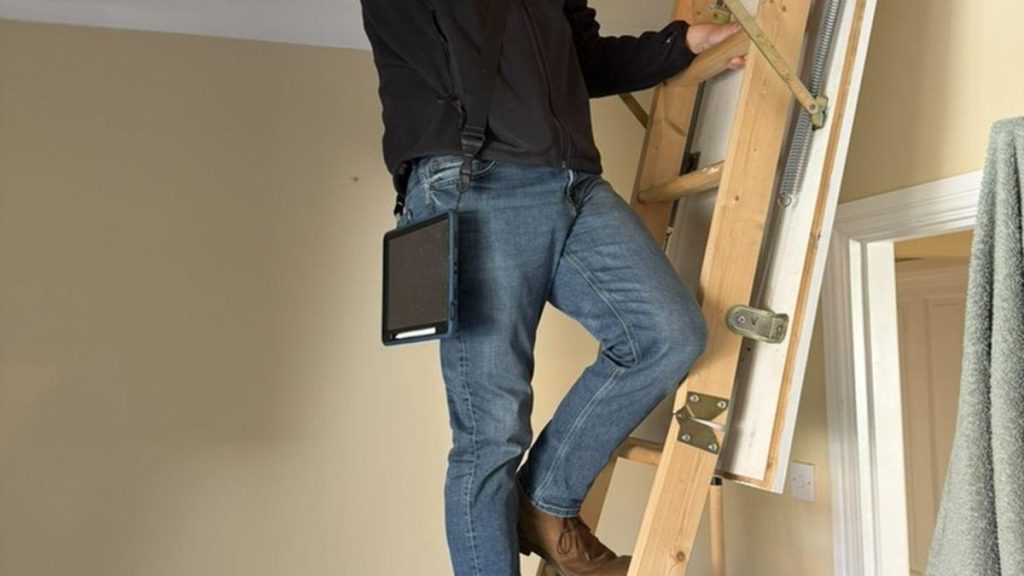
A Survey North surveyor accessing a loft space during an inspection.
The Options You Actually Have
As MoneyHelper explains, once a survey flags a problem you are not locked into the deal as it stands. Broadly, you can renegotiate the price or other terms of sale, ask the seller to fix the issue before you exchange contracts, or withdraw your offer altogether. None of this is unusual, and none of it needs to be adversarial.
Which option makes sense depends on the size and nature of the problem. A loose gutter or some flaking paint rarely justifies reopening negotiations. A damp problem, a defective roof, or a structural crack usually does.
Getting the Evidence Right Before You Negotiate
A vague complaint rarely moves a seller. The HomeOwners Alliance recommends getting at least two independent repair quotes once a survey flags a significant issue, so you know roughly what the fix will cost before you go back to the seller or their estate agent. Sharing the relevant extract of your survey report alongside those quotes gives your request a factual basis rather than leaving it as a matter of opinion.
It is also worth discussing the findings with your surveyor first. A good survey report should already explain how serious an issue is and what kind of remedial work is likely, and your surveyor should be able to answer follow-up questions about it at no extra cost.
It helps to separate genuinely urgent or expensive findings from routine maintenance items that come up on almost every survey, such as guttering that needs clearing or minor decorative repairs. Leading with the two or three findings that would actually change your view of the property, rather than every line in the report, tends to produce a more focused and more productive conversation with the seller.
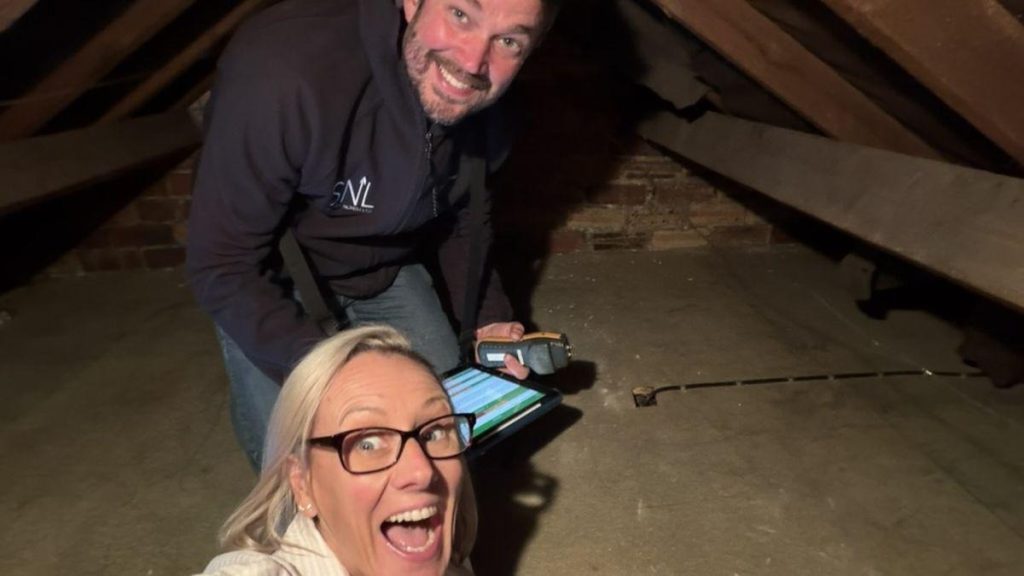
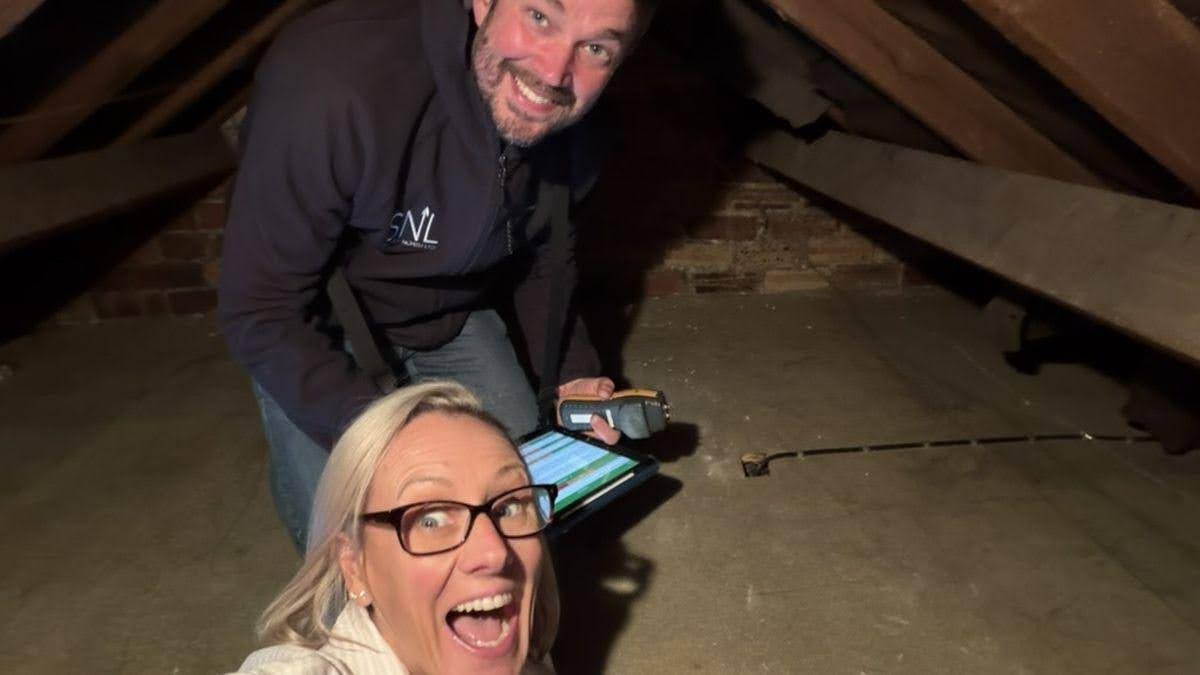
Survey North surveyors reviewing findings on site.
When to Bring in a Specialist
Some findings sit outside what a general building survey can fully assess, and are worth a second, more specialist opinion before you put a figure on them. A recommendation for further investigation is a normal part of a survey report, not a red flag in itself. This is the same principle behind services like a CCTV drainage survey when underground pipework is in question, or, for a new-build, a dedicated snagging survey to properly document defects before you raise them with the developer.
Common specialists include structural engineers for suspected movement or cracking, damp specialists for persistent moisture issues, and electrical or drainage contractors for anything outside the visual scope of a standard survey. Their report becomes part of the evidence you use in any negotiation.
How Sellers Typically Respond
Sellers are not obliged to accept a lower offer or agree to carry out repairs, and negotiations after a survey are rarely one-sided. A seller might counter with a smaller reduction, offer to split the cost of repairs, or simply decline and let the sale proceed at the original price. Being open to a reasonable middle ground, backed by your evidence, tends to get further than an all-or-nothing demand.
It is worth remembering that renegotiating, or even withdrawing, can carry its own costs, such as legal fees already paid. That is not a reason to accept a problem you are not comfortable with, but it is worth factoring in when you decide how hard to push and on what.
What This Looks Like at Level 2 vs Level 3
The kind of finding you are negotiating over often reflects which survey level you had. A Level 2 HomeBuyer Report tends to flag more visible, surface-level issues on conventional modern homes. A Level 3 Building Survey, more commonly chosen for older or non-standard properties, goes further and is more likely to surface structural, damp or historic-repair issues that carry a bigger price tag, and therefore a bigger case for renegotiation. Our guide to what a Level 3 survey costs in 2026 gives a sense of typical repair-cost ranges that come up in this kind of report.
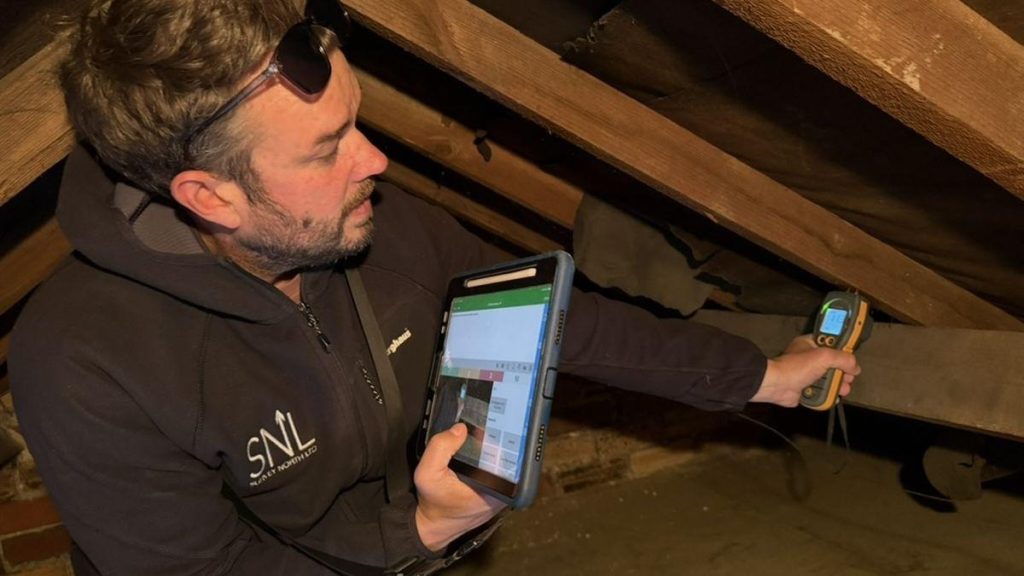
Checking a timber moisture reading in a roof void, the kind of finding that can prompt a negotiation.
How Long Does This Usually Take
There is no fixed timetable, but a straightforward renegotiation, agreed directly between buyer and seller through the estate agent, can often be settled within a few days once repair quotes are in hand. Bringing in a specialist for a further opinion adds time, since you are waiting on their inspection and report before you can put a firm figure to the seller. Building in that time when you are working towards a completion date is worth discussing with your conveyancer early, rather than leaving it until the last minute.
Common Mistakes to Avoid
A few things tend to weaken a buyer's position when negotiating after a survey. Asking for a reduction without any supporting quotes leaves the seller with nothing concrete to respond to. Treating every finding as equally serious, rather than focusing on the handful that genuinely affect value or safety, can make the whole request easier to dismiss. And leaving the conversation until very close to exchange gives everyone less room to negotiate calmly, since the pressure of a looming deadline tends to favour whoever is more willing to walk away.
The strongest position is usually the simplest one: a short, specific list of the issues that matter, backed by your survey report and repair quotes, raised with enough time left in the process for a considered response.
How Survey North Can Help
If you are not sure how seriously to take something in your report, or what a fair next step looks like, talk it through with the surveyor who wrote it. We are happy to explain any finding in your report and, where useful, point you towards the right specialist. You can see our full range of RICS surveys and valuations, read more about common surveying myths or why a survey is worth having in the first place, or get in touch through our contact page or request a quote for your own upcoming purchase.
Frequently Asked Questions
Can I really negotiate the price after a survey?
Yes. The sale is not legally binding until contracts are exchanged, so there is room to renegotiate the price, ask the seller to fix an issue, or withdraw altogether if a survey raises a significant problem.
What if the seller refuses to negotiate?
They are within their rights to decline. You can then decide whether to proceed at the original price, make a smaller ask, or walk away, depending on how serious the finding is to you.
Do I need repair quotes before I approach the seller?
It helps considerably. At least two independent quotes, alongside the relevant part of your survey report, give your request a clear factual basis rather than leaving it as a matter of opinion.
Is every recommendation for further investigation a serious problem?
No. Surveyors often recommend a specialist opinion as standard practice for anything outside the scope of a visual inspection, such as underground drainage or a suspected damp source. It is a sensible next step, not automatically a red flag.
Does it matter whether I had a Level 2 or Level 3 survey?
It affects what is likely to come up. A Level 3 Building Survey goes into more depth and is more often used on older or altered properties, so it tends to surface bigger-ticket structural or damp findings than a Level 2 HomeBuyer Report typically would.
How long does negotiating after a survey usually take?
A straightforward request, backed by repair quotes, can often be settled within a few days. It takes longer if you need a specialist's report first, so it is worth flagging the possibility to your conveyancer early rather than leaving it until close to exchange.